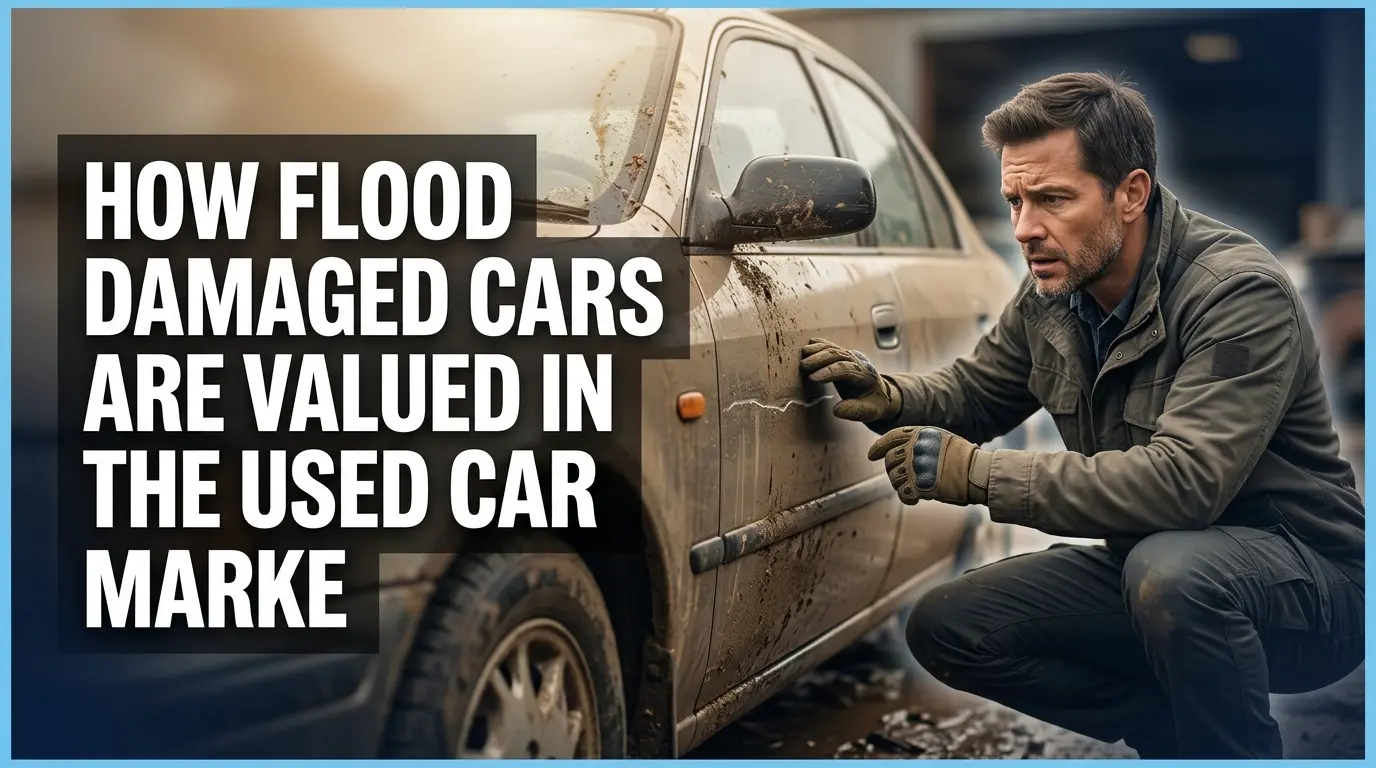
Flood damaged cars carry a big stigma in the used car market. Buyers worry about hidden problems. Sellers struggle to get fair offers. Understanding how these cars are valued helps both sides make better decisions. This guide explains the flood car valuation process. You’ll learn what factors affect price and how to navigate the market.
What Is a Flood Damaged Car?
A flood damaged car is any vehicle that has been exposed to water deep enough to affect its key components. This includes water entering the engine, electrical systems, or interior. Even a short submersion can cause major issues. The damage often spreads to areas you cannot see.
Modern cars are especially vulnerable. They contain sensitive electronics in floorboards and under seats. Just a few inches of water can ruin these expensive parts. That is why flood damaged cars lose so much value.
How Does Flood Damage Affect a Car’s Value?
Flood damage reduces a car’s value in several ways. It’s not just about visible rust or water stains. There are hidden costs that drive the price down.
Engine and Mechanical Damage
Water in the engine can cause hydrolock. That happens when water enters the cylinders. The engine tries to compress the water, which bends rods and cracks pistons. Repairs often require a full engine replacement. This is expensive and time-consuming.
Transmission and brake systems also suffer. Water contaminates fluids and corrodes metal parts. These components are costly to rebuild or replace.
Electrical System Damage
Modern cars depend on complex electronics. Floodwater damages wiring harnesses, sensors, and control modules. Corrosion can start immediately and spread over time. These electrical faults are hard to diagnose and fix. They often lead to recurring problems.
Interior and Structural Issues
Water ruins upholstery, carpet, and padding. Mold and mildew grow quickly inside the cabin. This creates health hazards and unpleasant odors. The structure can also rust from the inside out. These problems lower the car’s safety and comfort.
How Do Insurance Companies Value Flood Damaged Cars?
Insurance adjusters follow a specific process. They look at the car’s actual cash value (ACV) before the flood. Then they estimate repair costs and salvage value.
The Total Loss Calculation
Most states use a total loss threshold formula. The insurer compares repair costs to a percentage of the car’s ACV. If repairs exceed 75-85% of the value, the car is declared a total loss. In practice, most flood damaged cars are totaled.
The Total Loss Formula
Some states use a different calculation. They add repair costs to salvage value. If that total exceeds the car’s ACV, it is a total loss. This method considers the car’s remaining parts value.
Actual Cash Value Settlement
For flood-damaged cars declared total losses, insurers pay the ACV minus the deductible. This is the car’s fair market value before the flood. Owners then surrender the car to the insurer.
Salvage Value Impact
Salvage value is what the insurer can recover by selling the damaged car for parts or scrap. This amount is subtracted from the payout if the owner keeps the car. Higher salvage value can make a total loss more likely. For example, a popular truck with strong parts demand may be totaled more quickly.
How Much Do Flood Damaged Cars Sell For?
Flood cars sell at steep discounts compared to clean-title vehicles. The exact price depends on the damage severity and vehicle type.
Salvage Title Cars
Flood-damaged cars with salvage titles typically sell for 0-40% of their clean-title value. Cars with freshwater exposure and repairable electronics may be near the top of that range. Saltwater damage or water above the dash drops the value to near zero.
Rebuilt Title Cars
After repair and inspection, a flood car may get a rebuilt title. These sell for 60-75% of the clean-title value. This assumes high-quality repair work and full documentation. Buyers still demand a discount for the flood history.
Selling to a Buyer Like I Buy Vehicles
Companies that buy cars in any condition offer a different value. They base offers on parts demand and scrap metal prices. They do not focus on the vehicle’s roadworthiness. This can be a good option for severe flood damage.
What Is the Salvage Title Classification Process?
A salvage title is a legal brand on the vehicle’s certificate of title. It indicates the car has been declared a total loss. The process varies by state but follows a general pattern.
Step 1: Insurance Company Declares Total Loss
After a flood claim, the insurer calculates repair costs versus the car’s ACV. If repairs exceed the state’s threshold, the car is declared a total loss.
Step 2: Title Is Branded
The insurer reports the total loss to the state’s department of motor vehicles. The state then brands the title as “salvage.” Some states add “flood damaged” specifically. This permanent mark stays on the car’s history.
Step 3: Repair and Inspection (Optional)
An owner can repair a salvage car and apply for a rebuilt title. A state inspection verifies the repairs meet safety standards. If approved, the title changes to “rebuilt” or “reconstructed.” The flood history remains visible in vehicle history reports.
Step 4: Title Washing Risk
Some sellers try to hide a flood history. They move the car through states with weaker title laws. This practice is called title washing. It is why buyers must check the vehicle history report.
Should You Repair or Sell a Flood Damaged Car?
This is a crucial decision for flood-damaged car owners. The answer depends on the damage severity and the car’s value.
Total Loss Recommendation
Most experts recommend selling a flood-damaged car rather than repairing it. The costs are almost always higher than the value. Hidden electrical problems may surface weeks or months later. That leads to even more repair bills.
When Repair Might Make Sense
Repair could be an option if:
- The flood was very minor and only affected the interior.
- The car is a classic or rare model worth significant money.
- You can do the repair work yourself and save on labor costs.
Even then, be cautious. Flood damage tends to create long-term issues.
Selling to a Car Removal Company
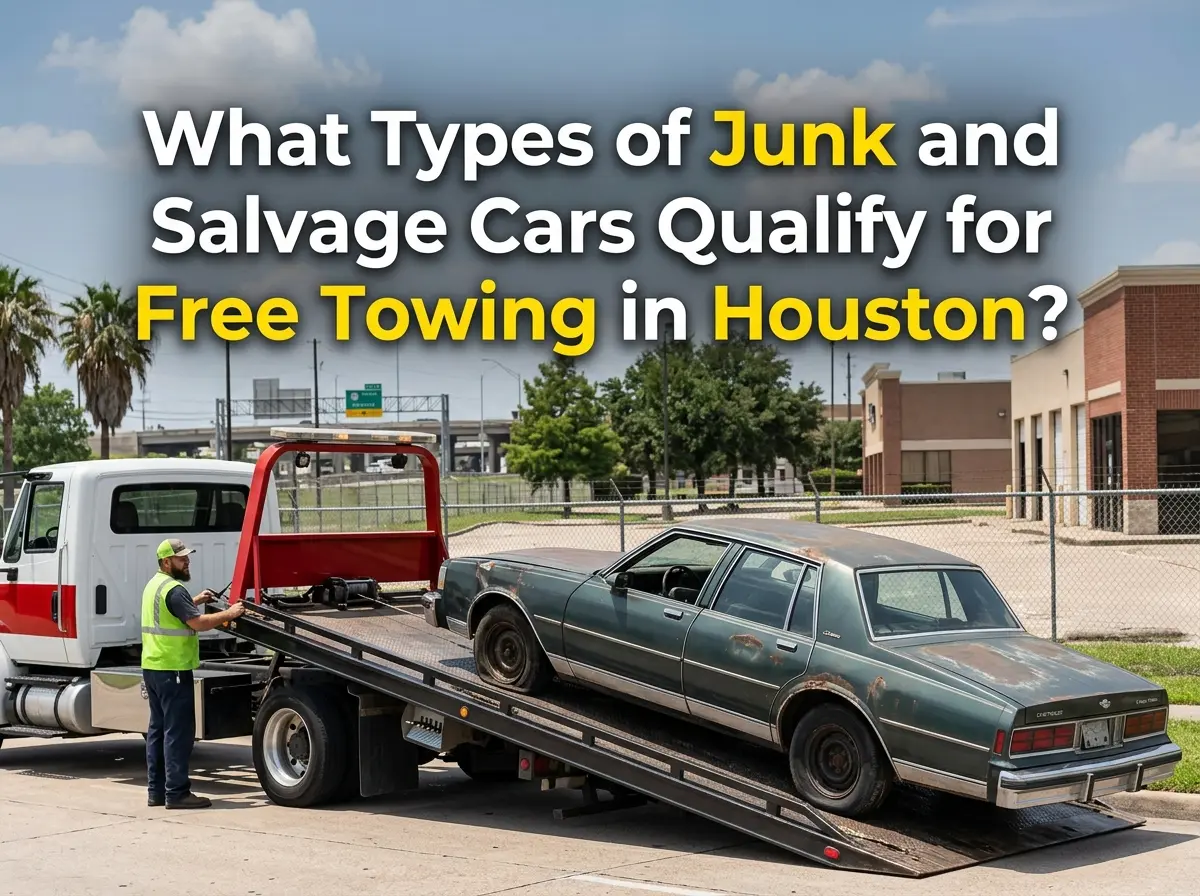
Selling to a company that buys damaged cars is a simple option. Companies like I Buy Vehicles offer cash for flood-damaged cars. They handle free towing and paperwork. This removes the stress of finding a private buyer.
Selling Your Flood Damaged Car in Houston
If you live in Houston, you have local options. I Buy Vehicles is a trusted car buyer in the area. They have been serving Houston since 2010.
What I Buy Vehicles Offers
- Fair Cash Offers: They pay top dollar for vehicles in any condition.
- Free Towing: They remove your car at no cost anywhere in Houston.
- Same-Day Payment: You get paid instantly when they pick up your car.
- Hassle-Free Process: They handle all the paperwork for you.
- Any Vehicle Accepted: They buy cars, trucks, SUVs, and more.
How It Works
Selling your flood-damaged car is simple. Contact them by phone or through their website. Provide details about your car’s make, model, and condition. They will give you a firm offer. If you accept, they schedule a pickup. You get paid cash on the spot.
Why Choose I Buy Vehicles
They are a reputable Houston-based company with over a decade of experience. Customer reviews highlight their professionalism and fair deals. They make selling a flood-damaged car quick and easy. Visit their website at IBuyVehicles to get started.
Frequently Asked Questions
What is a flood damaged car worth?
A flood damaged car with a salvage title may sell for 0-40% of its clean-title value. A rebuilt title car may sell for 60-75% of its clean-title value. The exact price depends on damage severity, make, model, and demand for parts.
Is a flood damaged car always a total loss?
Almost always. Insurance companies use a formula comparing repair costs to the car’s actual cash value. The water damage to electronics, engines, and interiors usually pushes repair costs over the total loss threshold.
Can I sell a flood damaged car without a title?
Yes, some buyers can work with you if you have proof of ownership and a valid ID. Companies like I Buy Vehicles can often buy cars with lost titles. The process is still legal and straightforward.
How can I check if a used car has flood damage?
Pull a vehicle history report and check for salvage or flood branding. Physically inspect the car for musty odors, rust under the dash, foggy lights, and silt in strange places. Have a trusted mechanic perform a pre-purchase inspection.