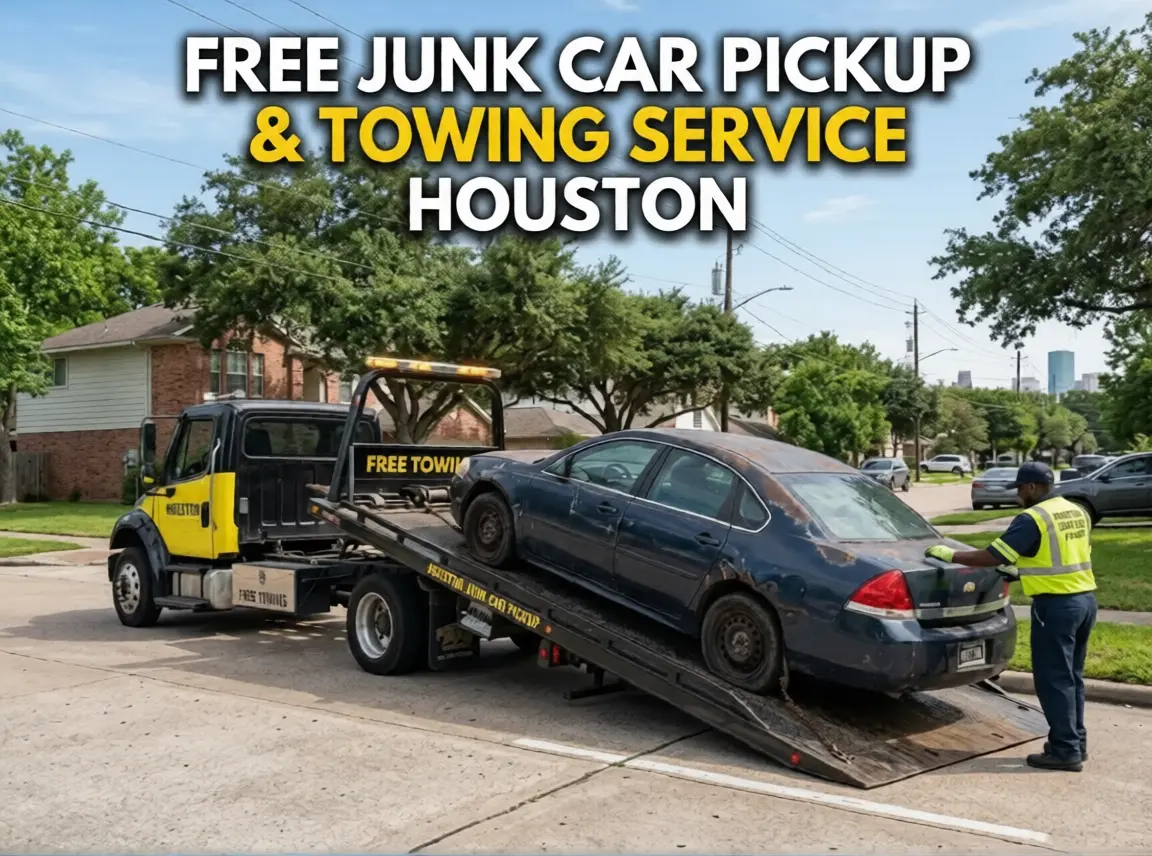

Selling a car in 2026 gives you several options. You can sell it yourself. You can trade it in. Or you can use a cash for cars service. Each method has pros and cons. The right choice depends on your priorities. Do you want maximum cash? Or do you value speed and convenience? This guide breaks down everything you need to know about cash for cars vs private sale. You’ll learn which option puts more money in your pocket.
The Three Main Ways to Sell Your Car
Selling a car isn’t one size fits all. You have three basic paths. Each works differently. Each attracts different buyers.
Private Sale
You list your car online or in local classifieds. You handle everything yourself. Showings, test drives, negotiations, and paperwork are all on you. This method usually gets the highest price. But it takes the most work.
Cash for Cars Companies
These businesses buy cars directly from you. They make a same day offer. They handle all paperwork. They tow the car away for free. The process is fast and simple. The tradeoff is a lower price. They need to resell your car for profit.
Dealer Trade In
You bring your car to a dealership. They appraise it and apply the value toward a new purchase. It’s convenient. You don’t have to find a separate buyer. But trade in values are often the lowest of all three options. Dealers need room to make a profit.
How Much Can You Really Get?
Let’s look at the numbers. The difference between methods can be thousands of dollars.
Private Sale Prices
Private sales consistently fetch the highest prices. You’re selling directly to an end user. No middleman takes a cut. According to Kelley Blue Book, private party sales typically bring thousands more than trade in. For a $15,000 car, you might get $16,000–$18,000 privately . The exact amount depends on your car’s condition, mileage, and local demand.
Cash for Cars Offers
Cash for cars companies pay less than private buyers. They need to make a profit. Their offers usually sit 15–30% below private sale value . For a $15,000 car, expect $11,000–$13,000. This gap can feel significant. But you’re paying for speed and convenience.
Trade In Values
Trade in usually offer the least money. Dealers have overhead costs. They need to recondition and resell your car at a profit. Trade in values often fall 20–30% below private party prices . That $15,000 car might only get $10,000–$12,000 as a trade in. It’s convenient, but expensive.
Private Sale The Pros and Cons
Selling privately takes work. But the payoff can be worth it. Here’s what to expect.
The Pros
- Higher Sale Price: This is the biggest advantage. You cut out the middleman. Every dollar goes to you. For newer or well maintained cars, the difference can be huge.
- Control Over the Process: You decide the price. You choose who you sell to. You set the timeline. You’re in charge from start to finish.
- Buyers Are Serious: A private buyer is usually looking for exactly your car. They’ve done their research. They’re ready to buy if the price is right.
The Cons
- Time Consuming: Listing your car takes effort. You need good photos and a compelling description. You’ll field calls and messages. You’ll schedule test drives. This can take weeks.
- Safety Concerns: Meeting strangers isn’t risk free. You’re inviting people to your home. You’re going on test drives with unknown individuals. Always meet in public places. Bring someone with you when possible.
- Paperwork Hassle: You handle the title transfer, bill of sale, and DMV paperwork. Mistakes can cause problems. You also need to understand your state’s rules for private sales.
- Risk of No Shows: Some buyers make appointments and never show. This wastes your time. It can be frustrating, especially after weeks of waiting.
Cash for Cars Companies: The Pros and Cons
Cash for cars services like I Buy Vehicles, We Buy Any Car, and local junkyards offer fast solutions. They’re popular for a reason.
The Pros
- Speed: You get an offer within minutes. If you accept, they pick up the car the same or next day. The whole process can take less than 48 hours . This is ideal if you need money fast or have limited time.
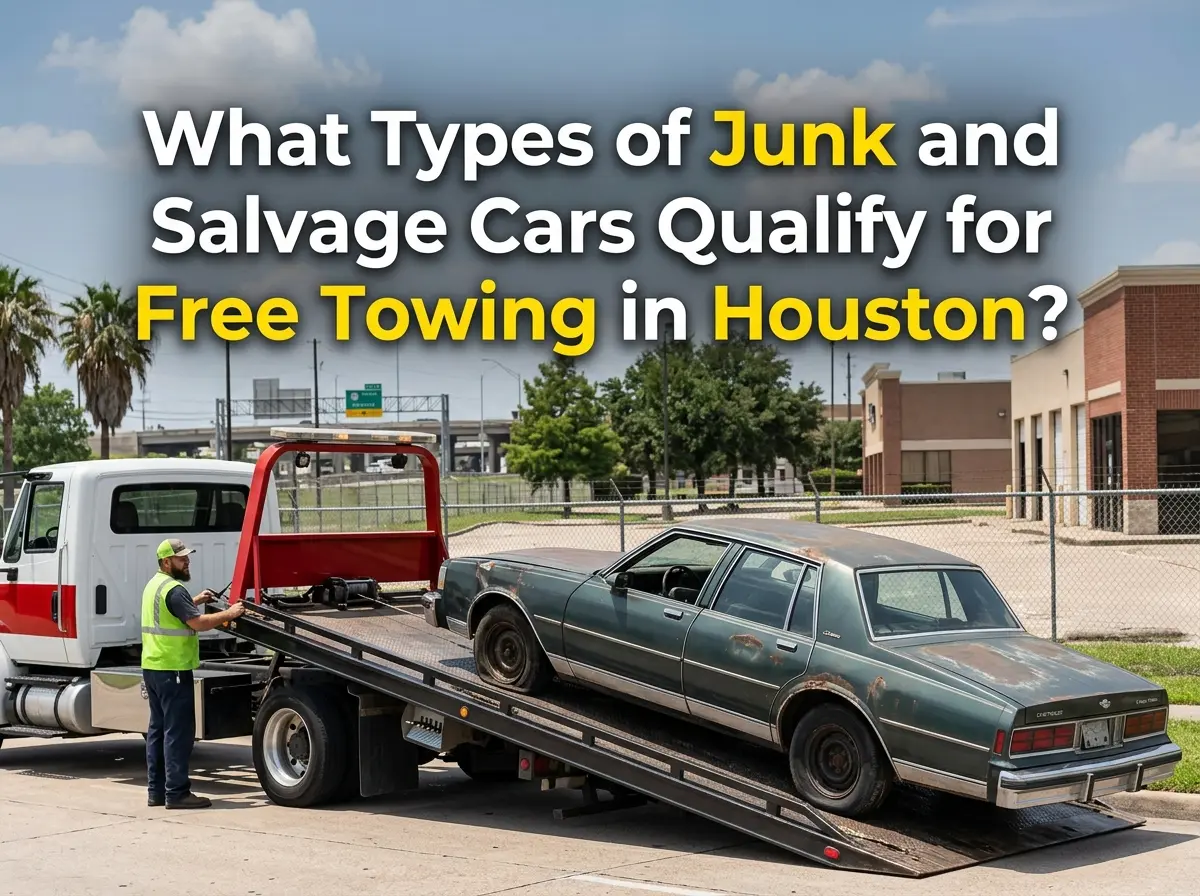
- Free Towing: Most companies tow your car for free. You don’t have to worry about moving a broken vehicle. This is huge for non running cars.
- No Repair Costs: Cash for cars buyers accept cars in any condition. You don’t need to fix that dent or replace those tires. They’ll take it as is. This saves you both time and money.
- Minimal Paperwork: The company handles almost all paperwork. You just sign the title and some forms. They handle the rest.
The Cons
- Lower Payoff: You’ll get significantly less than a private sale. This is the biggest drawback. For a high value car, the difference could be thousands.
- Less Negotiation Room: Some companies have fixed pricing algorithms. There’s often little flexibility. You may not be able to haggle like you would with a private buyer.
- Company Reputation Matters: Not all cash for cars companies are trustworthy. Some use bait and switch tactics. They make a high offer, then lower it upon inspection. Always check reviews before choosing a company.
Dealer Trade In The Pros and Cons
Trading in at a dealership is the easiest path. But it comes at a cost.
The Pros
- Incredibly Convenient: You drive in with your old car and drive out with your new one. It’s a one stop shop. No separate sale process.
- Sales Tax Benefits: In many states, you only pay sales tax on the difference between your trade in value and the new car price. This can save you hundreds of dollars.
- Peace of Mind: Dealerships handle all paperwork. You don’t worry about title transfers or DMV filings.
The Cons
- Lowest Offers: Dealerships offer the least money. They have overhead and need to make a profit on resale.
- Limited Negotiation: The salesperson often bundles the trade in with the new car deal. This makes it hard to know if you’re getting a fair price for either.
- Pressure to Buy: Dealerships want to complete the sale. You might feel pressured into accepting a low offer.
Time vs. Money The Real Tradeoff
The biggest question is time versus money. How much is your time worth?
Quick Timeline with Cash for Cars
- Day 1: Get a quote online
- Day 2: Accept the offer and schedule pickup
- Day 3: Company tows car away and pays you
- Total: 2–3 days, minimal effort
Medium Timeline with Private Sale
- Day 1–3: Clean car, take photos, write listing
- Day 4–14: Field calls and show the car
- Day 15–21: Negotiate and complete sale
- Total: 2–4 weeks, significant effort
The Math
Let’s say your private sale nets $3,000 more than a cash for cars offer. That’s a big difference. But it takes weeks of work. If you earn $50 per hour, $3,000 equals 60 hours of your time. Are you spending 60 hours on the private sale? Probably not. So the extra cash may be worth it. If the difference is only $500, the convenience of a quick sale might win.
Which Cars Are Best for Private Sale?
Not all cars are equally suited for private sales. Some sell better than others.
High Value Cars
Newer cars with low mileage do well in private sales. Buyers are willing to pay top dollar for vehicles in great shape. You’ll get much closer to the Blue Book value.
Rare or Desirable Models
Sporty cars, trucks, and SUVs are in demand. Private buyers pay premiums for these vehicles. Dealerships offer lower trade ins because they need to resell them quickly.
Cars in Excellent Condition
If your car looks great and runs perfectly, private sale is the way to go. You’ll get a premium price. Buyers can see the value.
Cars Over 10 Years Old
Older cars often sell well privately. Cash for cars offers might seem insultingly low. But there are plenty of budget buyers looking for a deal. You can usually get several hundred more than a scrapyard offer.
Which Cars Are Best for Cash for Cars?
Some cars are better suited for instant sale services. Here’s when it makes sense.
Non Running Vehicles
If your car won’t start, private buyers might shy away. I Buy Vehicles services will tow it away. You avoid the headache of arranging transport.
Heavily Damaged Cars
Cars with major damage can be tough to sell privately. Cash for cars services specialize in these vehicles. They know how to extract value from scrap and parts.
Low Value Vehicles
If your car is worth under $2,000, the price difference between private and cash for cars is smaller. The added convenience of instant sale often outweighs the modest gain.
Urgent Need for Cash
If you need money today, cash for cars is the clear winner. You get paid immediately. Private sales can take weeks.
Hidden Costs and Risks to Consider
Both methods have hidden factors that affect your final payout.
Advertising Costs
Private sellers often pay for listing fees. Sites like Autotrader or eBay Motors charge for premium listings. Facebook Marketplace is free but has lower quality buyers.
Repair Costs
Private buyers expect cars in good condition. You might need to fix minor issues. A small dent or cracked windshield can cost hundreds to repair. These costs reduce your net profit.
Holding Costs
Every day your car sits unsold, it loses value. The used car market changes weekly. If you misprice your car, it might sit for weeks. Meanwhile, depreciation continues. This is called “holding cost.”
Safety and Security
Meeting strangers carries risk. Test drives can be dangerous. A driver could damage your car or even steal it. Always take precautions. Meet in well lit public places. Verify buyer identity.
Frequently Asked Questions
Is selling a car privately worth the extra effort?
Yes, if your car is in good condition and worth over $5,000. Private sales typically net thousands more than trade in or cash for cars. The extra effort often pays off. For lower value cars, the convenience of an instant sale might outweigh the modest gain.
How do cash for cars companies determine their offers?
They consider the car’s make, model, year, and condition. They factor in scrap metal prices. They also check demand for parts. The catalytic converter is often a big value driver. They then subtract their profit margin and handling costs. The final offer is always below market value.
Will I get more money from a dealer trade in or cash for cars?
Cash for cars companies typically pay more than dealers. They specialize in direct car buying. They have lower overhead than dealerships. Many people find cash for cars offers 10–20% higher than trade in values. But both are usually less than private sales.
What are the risks of selling a car privately?
The biggest risks are safety and scams. You might deal with dishonest buyers. There’s also the risk of a test drive accident. Paperwork errors could cause title problems. No shows waste your time. Always meet in public places. Verify payment before transferring the title. Cash or bank checks are safest.
How do I choose between speed and money?
It depends on your situation. Need cash fast? Choose cash for cars. Have time to wait? Go private. Also consider your car’s condition. Well maintained cars deserve private sale. Damaged or non running cars work better for cash for cars. Calculate the time versus money tradeoff for your specific car.