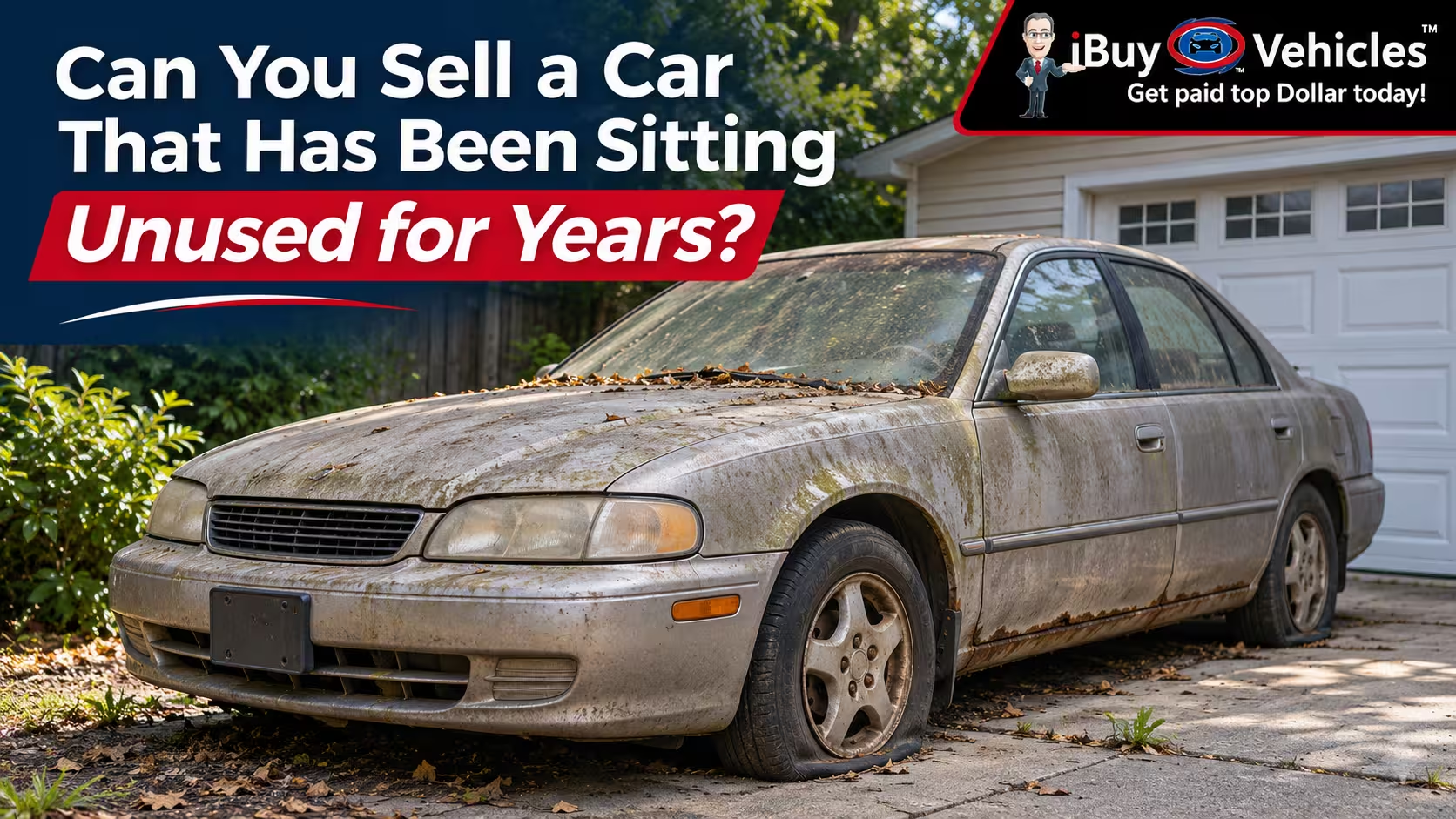
A car does not need to be driven to develop problems. After several years in a driveway or garage, gasoline may degrade, the battery may no longer hold a charge, tires can develop flat spots, and moisture can affect the brakes and electrical system. Even a low-mileage vehicle may need attention before it is safe to drive.
You can still sell a car that has been unused for years. Restoring it is not always necessary. Its value depends on its condition, title, model, and likely repair costs. Before trying to start or move it, consider what long-term storage may have changed.
What Long-Term Inactivity Does to a Vehicle
When a car sits unused, several systems can deteriorate:
| Part | Possible effects of long-term storage |
| Fuel system | Gasoline degrades, and deposits may affect the pump or injectors |
| Battery | A lead-acid battery may no longer hold a charge |
| Tires | Pressure drops; flat spots, cracks, and aging rubber become concerns |
| Brakes | Rotors may rust, while calipers or parking-brake parts can seize |
| Engine | Seals may dry out, fluids age, and corrosion may develop |
| Wiring and interior | Rodents, heat, and moisture may damage wiring or upholstery |
A dry garage helps, but it does not stop fuel, battery, tire, or fluid deterioration.
Why Houston Storage Conditions Matter
Houston’s heat and moisture make storage damage worth checking. National Weather Service 1991–2020 normals show 51.84 inches of annual rainfall and an average August high of 94.9°F.
Look for these warning signs before deciding whether repairs make sense:
- Damp carpets, musty smells, water stains, or mold.
- Rust around the underbody, wheel areas, or damaged paint.
- Cracked tires, brittle hoses, or deteriorated weather stripping.
- Chewed wires, droppings, or nesting material in the engine compartment.
- Fluid spots beneath the vehicle or a strong gasoline smell.
Water intrusion may cause hidden electrical problems, even when the exterior looks clean.
Should You Try to Start It?
Not until it has been checked. Stale gasoline, low oil, damaged wiring, or a fluid leak can make an attempted start risky. A jump-start will not solve those problems.
Have a mechanic inspect the fuel system, oil, coolant, belts, hoses, battery, and wiring first. Tires and brakes need attention too. A running engine does not prove the car is safe to drive.
If you notice leaking fuel, damaged wiring, substantial fluid loss, or signs of flooding, do not attempt to start the car. Arrange an assessment first.
Does a Car That Has Sat for Years Still Have Value?
Yes. Value depends on its make, model, year, mileage, title, body, parts demand, and repair costs, not just whether the engine runs.
| Vehicle condition | Possible effect on resale |
| Low mileage, clean title, dead battery | May appeal to a buyer willing to handle basic work |
| Engine runs, but tires and brakes need service | Repair costs may reduce the offer |
| Rodent damage or contaminated fuel | Electrical or fuel-system work may be needed |
| Severe rust or major engine damage | Parts or scrap value may matter more |
A car with 35,000 miles that sat for six years may be in worse condition than one with 85,000 maintained miles. Low mileage does not reveal the condition of seals, brakes, rubber parts, or fuel.
What Should You Do Before Offering It for Sale?
You do not need to repair everything. Give buyers accurate information:
- Locate the paperwork. Find the title, VIN, mileage, and service records. Check whether the title is clean, salvage, or branded.
- Record the storage history. Note how long it has been parked, where it was kept, and when it was last driven or started.
- Document its condition. Photograph the exterior, interior, tires, odometer, engine bay, and visible damage.
- Get an estimate if needed. An inspection may identify major problems. Compare repair costs with offers before authorizing expensive work.
- Compare selling options. Decide whether a private buyer or vehicle buying service is more practical.
If you do not know whether the car starts, say it has not been tested. Do not guess about its condition.
Selling a Long-Parked Car in Houston
A private sale may bring more for a desirable model, but buyers may request an inspection or expect you to arrange transport. A vehicle buying service may be more convenient for a car that needs major work. Ask whether pickup is included and whether inspection may change the offer.
iBuy Vehicles is one option Houston owners may consider when selling a car that has been sitting unused. Share its age, mileage, title status, storage history, and known problems so the buyer can assess it accurately.
Texas paperwork matters. TxDMV recommends submitting a Vehicle Transfer Notification within 30 days to help protect sellers from liability for tickets or tolls incurred by the next owner. Keep copies of the signed title and sale details.
Harris County requires emissions testing for applicable gasoline vehicles at least two years old and less than 25 years old that are registered and primarily operated in an affected county. Check the vehicle’s specific requirements before registration.
Frequently Asked Questions
Can I sell a car that has not been started in five years?
Yes. A car does not have to start to have resale value. Its title, body, parts, model, and overall condition help determine what a buyer may pay.
Should I replace the battery before selling an unused car?
Not automatically. If the battery is the only issue, replacement may be worthwhile. If other major problems exist, compare the cost with offers for the car as it sits.
Is old gasoline harmful to the engine?
Degraded gasoline can cause starting and fuel-delivery problems. Avoid repeatedly trying to start an engine that has been sitting with old fuel. Have the fuel system assessed first.
Do I need to repair a long-parked car before selling it in Texas?
Not in every case. You should disclose known problems and complete the required title-transfer paperwork. Registration and emissions requirements are separate matters.
Can someone pick up my car if it has flat tires or seized brakes?
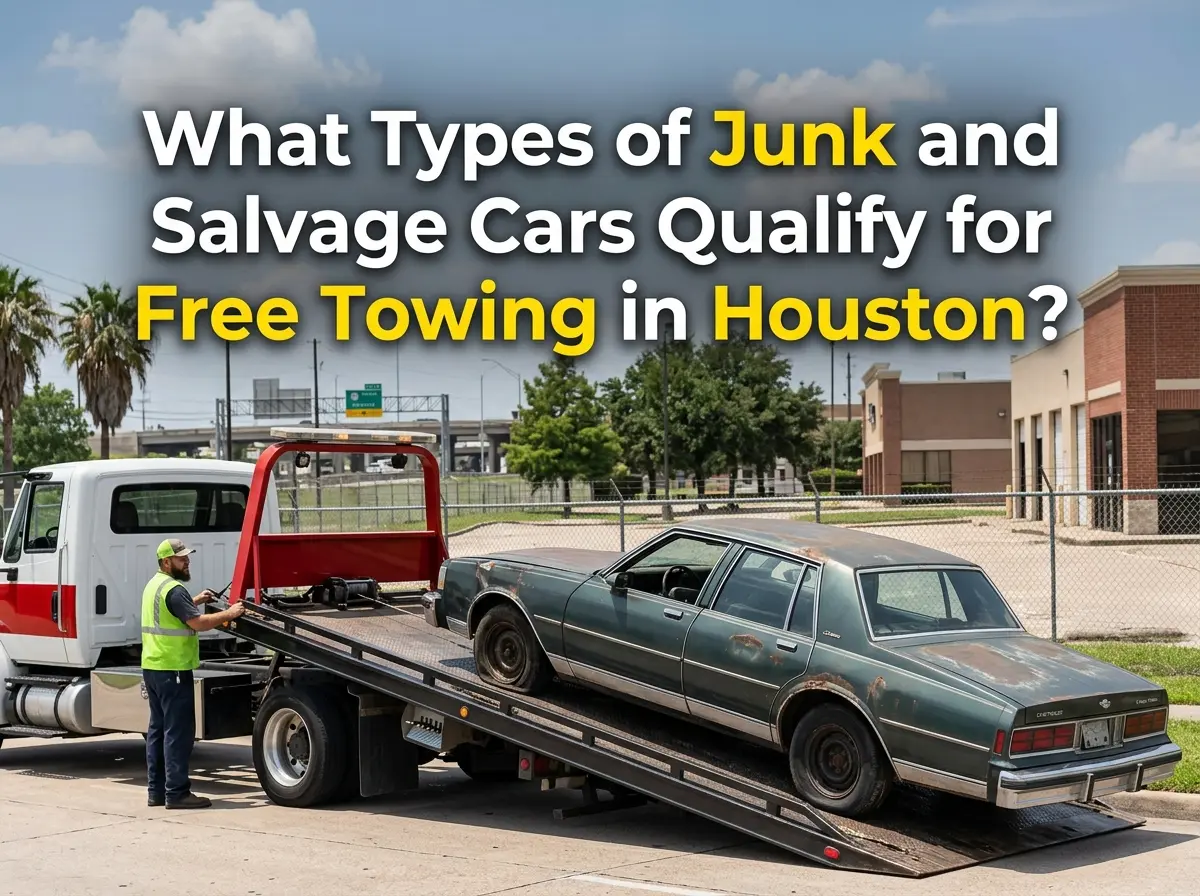
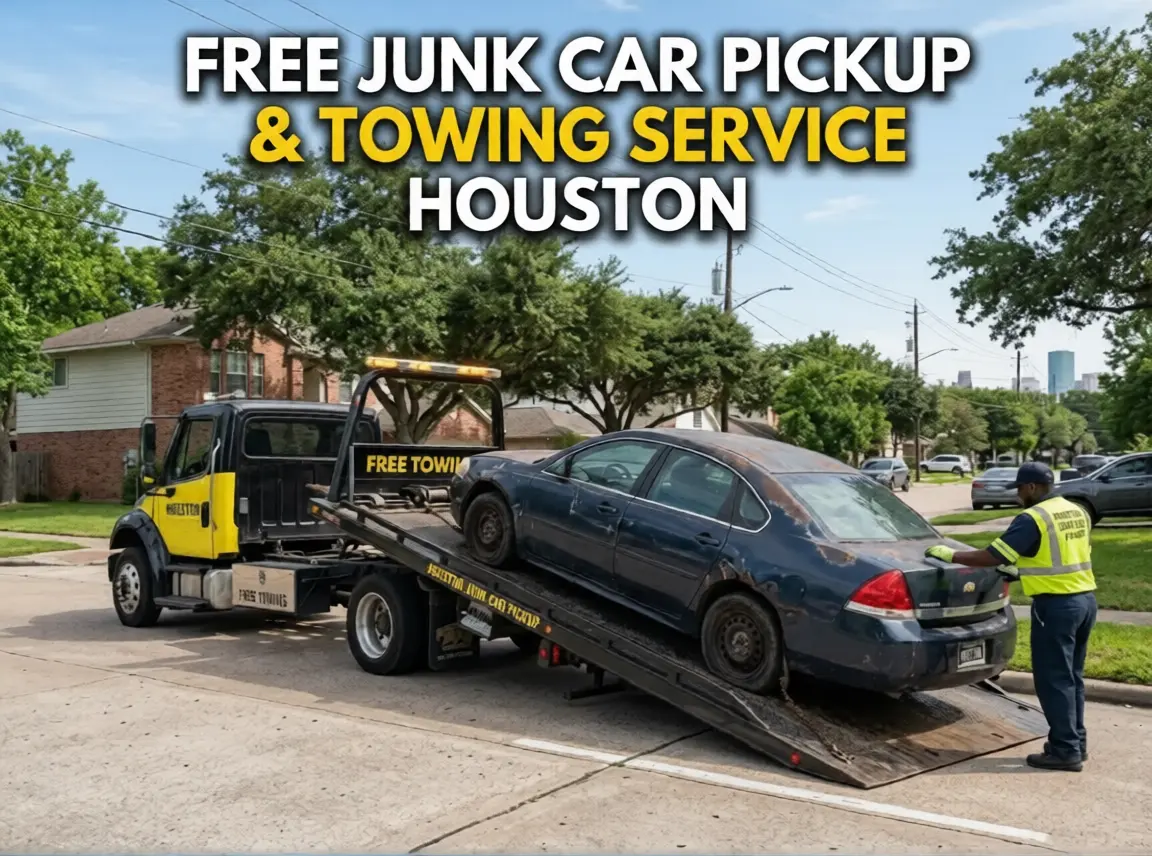
Often, yes. Tell the buyer about the condition before arranging pickup. The vehicle may need a flatbed or suitable equipment rather than being driven.
Final Thoughts: Make a Practical Decision About Your Unused Car
A vehicle parked for years may still be worth selling, even if it needs mechanical work. Check for storage-related deterioration, avoid starting it before an assessment, and compare repair estimates with offers for its current condition. iBuy Vehicles gives Houston owners another option when they are ready to sell an unused vehicle.